Use a Scrunchie for This Heatless Overnight Blowout

Want a smooth, bouncy blowout look—without any heat damage? This simple heatless overnight blowout scrunchie method gives you soft, voluminous waves with almost no effort.
It’s comfortable to sleep in, works on all hair lengths, and takes just a minute to set up—your go-to overnight blowout scrunchie trick for an easy, damage-free style.
Tools and materials:
- A regular scrunchie
- Hair oil

1. Prep your hair
Start by applying a small amount of hair oil to your hair. This helps smooth frizz and gives your hair that polished, blowout look.

2. Put hair into a ponytail
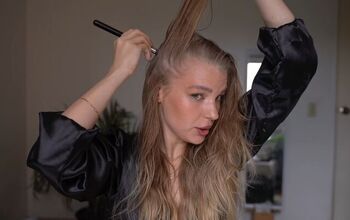
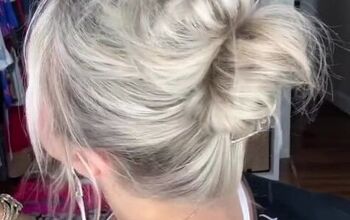
Gather your hair and secure it into a ponytail using your scrunchie. Nothing fancy — just a regular ponytail.

3. Loop hair through the scrunchie
Put your fingers through the scrunchie. Pull your ponytail over and through the opening.

4. Repeat the looping
Continue pulling your hair through the scrunchie again and again. Repeat as many times as needed. This works for both short and long hair

5. Sleep in it
Once all your hair is looped through, leave it overnight. It should feel secure. This is great for side sleepers.

6. Remove in the morning
Take the scrunchie out gently. Your hair shouldn’t get stuck. Ensure that there is no pulling or breakage.

7. Enjoy the results
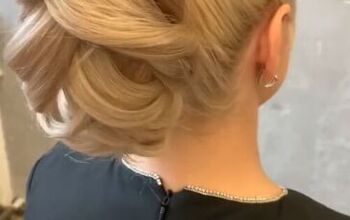
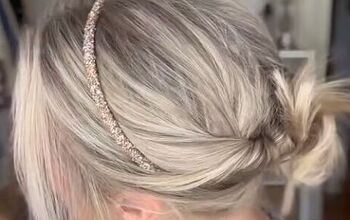
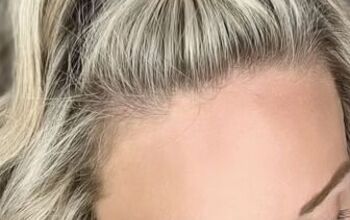
You should be left with soft, voluminous waves that resemble a blowout—no heat needed.
This easy heatless overnight blowout method is perfect for anyone who wants to style their hair while they sleep.
Give this overnight blowout scrunchie technique a try and see how it works for your hair type—you might just replace your regular blowout routine altogether!


The author may collect a small share of sales from the links on this page.





















Comments
Join the conversation